
Treating Heel Pain in Brunswick
Brunswick Foot Clinic offers quality orthotics & podiatric care to residents of and visitors to Brunswick and beyond.
Heel Pain
Heel pain is painful. Heel pain is complex. Heel pain can be debilitating.
The condition that causes more people to cry in the knowledge that they will get better is heel pain.
Pain in the heel can manifest in several areas and be caused by different factors. Mechanical causes, particularly related to the tendo Achilles’ connection to the heel, are common. These issues may lead to a bone spur, which, while seemingly painful on an x-ray, may not actually cause any discomfort.
The presence of such a bone spur can will increase the risk of its irritation from the hard heel counter of a shoe. Sometimes this rubbing at the back of the heel can lead to a blister. If the rubbing from the heel counter of the shoe is a little less, a soft swelling can form under the skin (bursa) which can then become inflamed if the rubbing continues for too long (bursitis). Sometimes this bursitis occurs because of an inflammatory joint condition such as psoriatic arthritis.
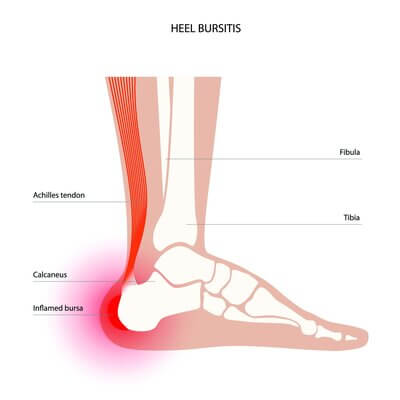
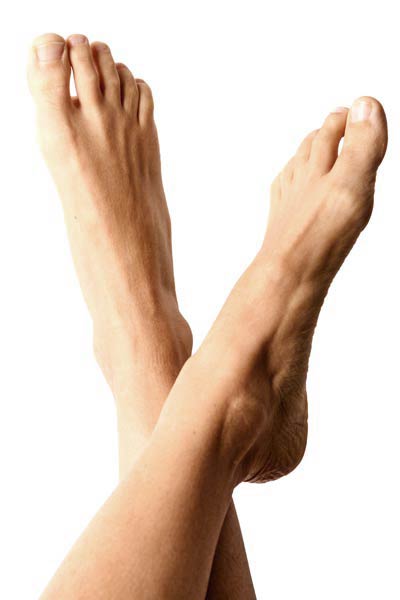
Heel discomfort can stem from inflammation within the heel bone (osteitis), while a more intense pain might suggest a stress fracture in the calcaneum. Everyday activities like gardening or playing with children can trigger this pain. Failing to adequately prepare your body for increased or faster walking or running could cause leg and foot pain, heels included.
The pain felt at the foot’s bottom heel area can often be attributed to a deficiency in the natural fatty layer under the feet’s weight-bearing sections. This can result in bruising of the plantar medial calcaneal tubercle, more so when you’re wearing shoes with hard soles.
Heel Spur and Plantar Fasciitis
Further towards the front of the heel, pain can be caused by another type of heel spur, which develops from repeated stress on the plantar fascia leading to bone growth (Heel Spur Syndrome). This repetitive stress is a common cause of Plantar Fasciitis, the injury to the taut band running beneath the foot.
Whilst the bone spur looks painful but the pain itself may not be where the spur is located. The development of the spur but generally is due to the mechanical load from the strain along the plantar fascia rather than the heel spur digging into the foot.
It’s often the case that an x-ray uncovers a substantial heel spur on a foot that doesn’t hurt, whereas the aching foot might not have any spur.
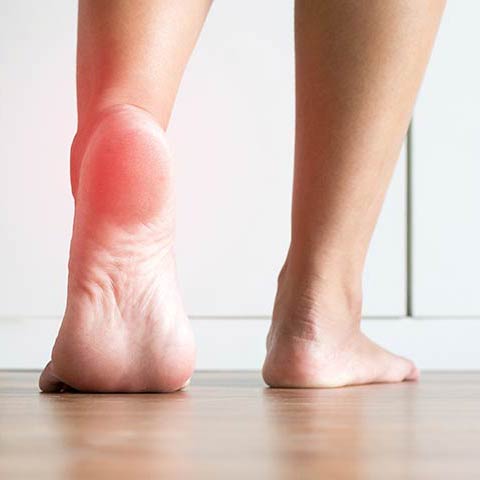
Causes of Heel Pain
Heel discomfort may sometimes result from irritation of a minor nerve under the heel by an overlying muscle. Proper diagnosis of this and similar conditions is essential to establish an effective treatment plan.
The treatment regimen may at times include basic cushioning, specific exercises, and massage therapy. Effective use of both heat and ice treatments, as well as dry needling, has proven helpful. In certain scenarios, resorting to anti-inflammatory medications, corticosteroid injections, or using an ankle walker (moon boot) may be necessary for early relief.
Orthotic Therapy
Orthotic therapy is required to deflect the pressures of weight bearing away from the painful site and to guide the movement of the foot in such a way that reduces the strain along the plantar fascia and the spur. There are a small percentage of cases in which the surgical release of the fascia is required. Studies have also shown that extra corporeal shockwave therapy can help to reduce the pain of heel spurs and plantar fasciitis.

Severs Disease
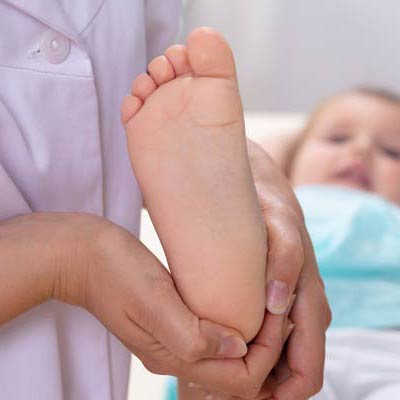
Children can develop heel pain as a consequence of being active and causing damage at the back of the heel (Severs Disease). The growth plate of the heel can be disrupted by the recurrent pull of a strong and powerful calf muscle and tendo Achilles. It is important for a accurate diagnosis to be made of these conditions so the most effective treatment can be applied for relief and recovery.
Our podiatrists are highly skilled in diagnosis and the management of heel pain.
If you would like more information, please call our Brunswick Foot Clinic on (03) 9387 8555 or Sandringham Foot Clinic (03) 9555 6555 or click below to book online.
FOOT CLINIC LOCATIONS
Our service areas
Brunswick Foot Clinic and Sandringham Foot Clinic provide quality podiatry care to residents across a range of Melbourne suburbs including:

9 Glenlyon Road (cnr of David St)
Brunswick Vic 3056
Ph: (03) 9387 8555
Fax: (03) 9388 2288
Email: info@melbournepodiatrist.com.au